 Photo: Wikipedia article "Ekambareswarar Temple (Kanchipuram)" — CC-licensed via Wikimedia CommonsCurrently Closed
Ekambareswarar Temple
Type
Hindu Temple
Deity
Lord Shiva
Pincode
631502
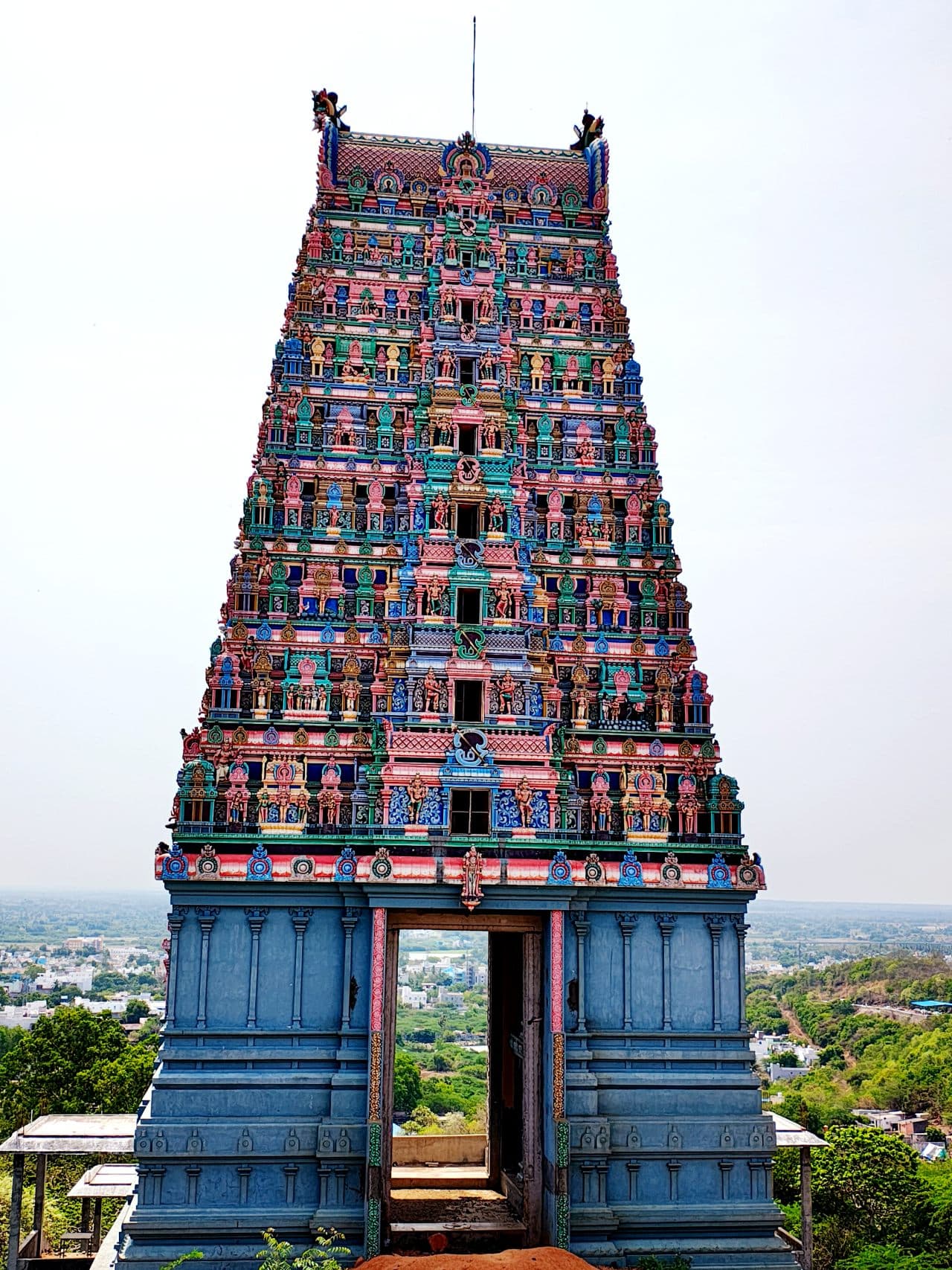
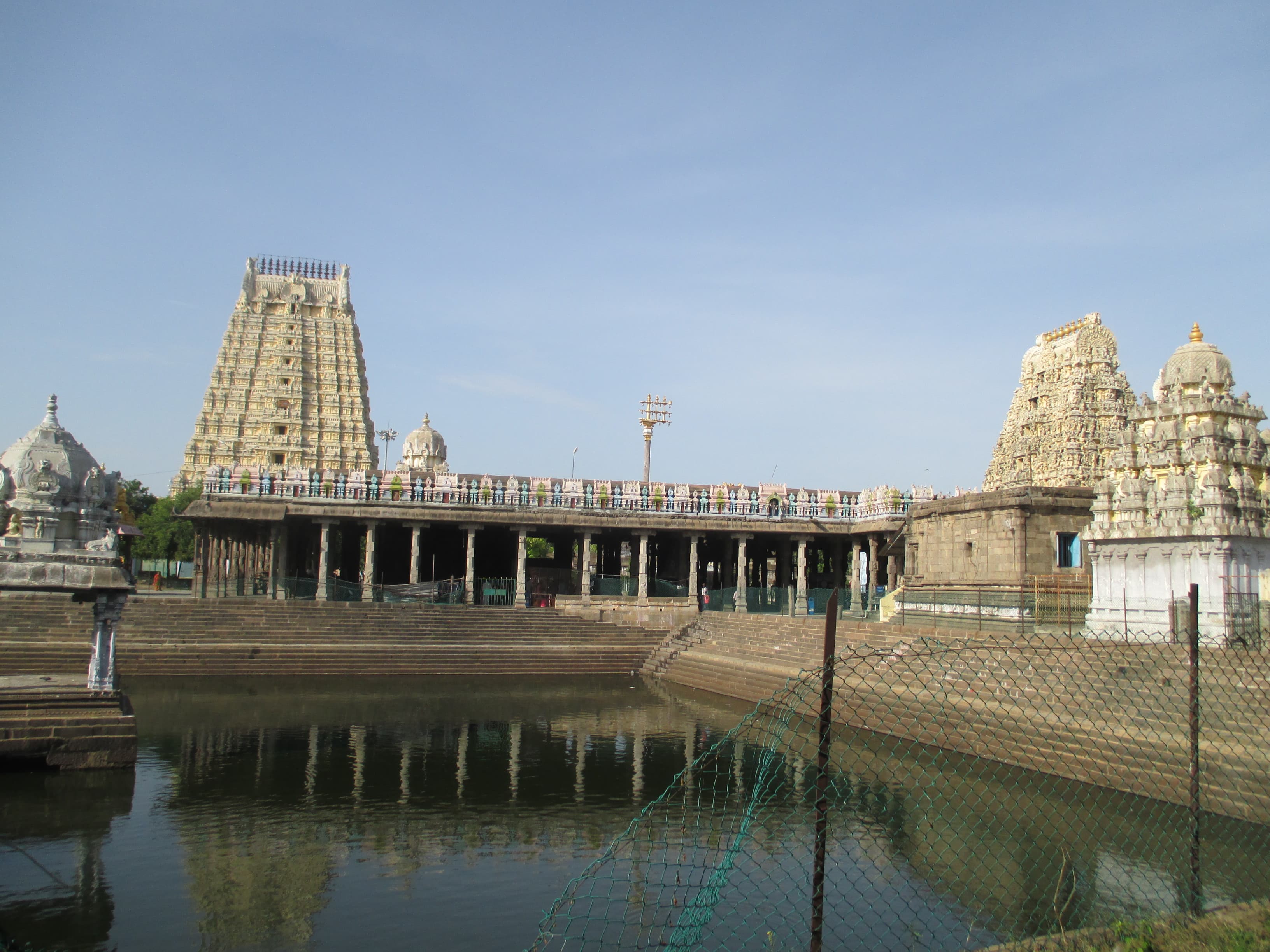
The 'Prithvi' (earth) Pancha Bhoota Sthalam, dedicated to Lord Shiva as Ekambareswarar, in the temple town of Kanchipuram. Its 58-metre gopuram is among the tallest in Tamil Nadu, and its ancient mango tree — said to be over 3,500 years old — is revered as the spot where Parvati is believed to have worshipped Shiva.
History & Significance
Significance
Ekambareswarar Temple at Kanchipuram is the Prithvi (Earth) Pancha Bhoota Sthalam — one of the five ancient Shiva temples representing the five elements. Lord Shiva is worshipped here as Ekambareswarar (the Lord of the Mango Tree). The 3,500-year-old mango tree within the complex, said to have four branches representing the four Vedas, is one of the most ancient trees in Tamil Nadu.
History
Kanchipuram, one of the seven moksha-puri (cities of liberation) in Hinduism, has been a major religious and intellectual centre for over 2,000 years. The Pallava kings built the earliest portions of this temple. The massive 59-metre gopuram and the 1,000-pillared hall were built during the Vijayanagara period (16th century CE). The Chola, Pandya, and Nayak dynasties all made significant contributions.
Goddess Parvati is said to have worshipped Lord Shiva under the mango tree at this spot, moulding a lingam from earth (prithvi). Shiva tested her devotion by flooding the Kampa river, threatening to drown the lingam. Parvati embraced the lingam and was swept away with it. Pleased by her devotion, Shiva stopped the flood and accepted the earth lingam as his permanent form here.
Architecture
The temple complex covers 23 acres — the second largest in Tamil Nadu after Srirangam. The main gopuram is 59 metres tall with 11 tiers. The 1,000-pillared hall (Aiyanar Mandapam) contains extraordinary Vijayanagara-period stone carvings. The sacred mango tree (said to be 3,500 years old) stands in an inner courtyard and is worshipped as a divine presence. Its four branches are associated with the four Vedas.
Nearby Temples
Closest temples by distance — worth combining into the same trip.