By Deity
By State
40 temples across South India.
Dattatreya
A sacred hilltop in the Baba Budan range of the Western Ghats, revered by both Hindus (as a Dattatreya shrine) and Muslims (as the resting place of Sufi saint Baba Budan who brought coffee seeds to India). The site represents remarkable religious harmony — both communities worship here side by side. Famous for stunning Ghats scenery and coffee estate views.
Shiva
A group of four remarkable cave temples (3 Hindu + 1 Jain) carved into red sandstone cliffs by the Chalukya kings (6th century CE). Cave 3 contains a stunning 18-armed Vishnu Trivikrama sculpture. A UNESCO World Heritage Site and one of the finest examples of early Deccan rock-cut architecture.
Devi
One of the most powerful Shakti temples in Karnataka, 5 km from Badami. Goddess Banashankari (Devi of the forest/banana grove) is worshipped here in a unique form — seated on a lion crushing a demon, holding a skull. The Rathotsava (chariot festival) here draws 5 lakh pilgrims and is one of Karnataka's grandest festivals.
Ranganatha
A masterpiece of Hoysala architecture (12th century CE) — the Channakeshava Temple at Belur took 103 years to build and features some of the most intricate stone carvings in India. A UNESCO World Heritage Site (2023). The sculpture detail rivals that of Khajuraho.
A Vishnu temple in the Biligiri Rangana Hills (BRT) Wildlife Sanctuary at an elevation of 1,700 metres — where the Eastern and Western Ghats meet. 'Biligiri' means 'white rock' in Kannada — the rock formation near the temple glows white in evening light. The scenic hill drive through the tiger reserve is an experience in itself.
A famous Bangalore temple housing one of the largest monolithic Nandi (Shiva's sacred bull) statues in the world — 4.5 metres tall and 6 metres long, carved from a single granite rock. Built by Kempe Gowda I (founder of Bangalore) in the 16th century. The annual Kadalekayi Parishe (groundnut fair) here is one of Bangalore's most beloved folk festivals.
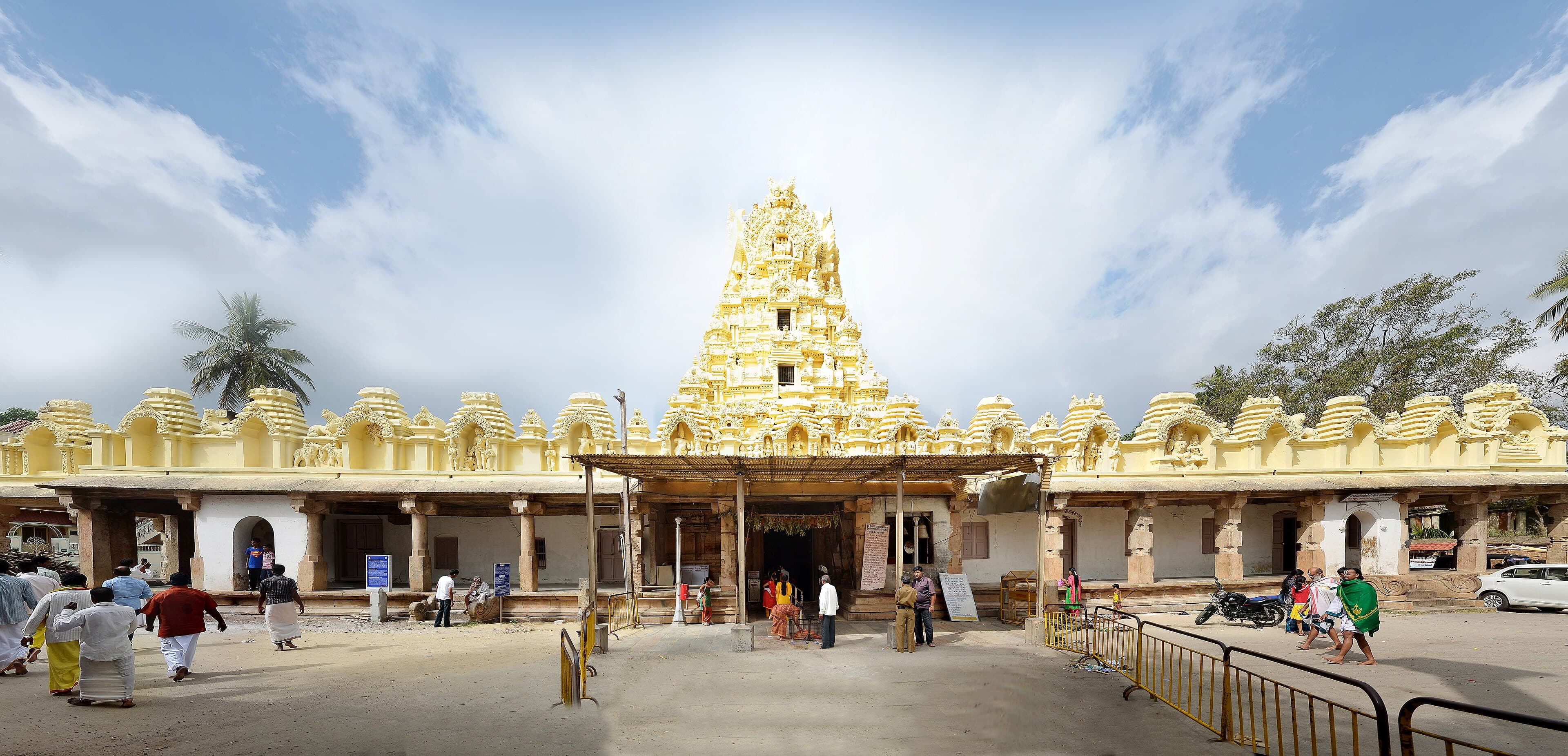
A hilltop shrine atop Chamundi Hills overlooking Mysuru, dedicated to Goddess Chamundeshwari, the fierce form of Durga said to have slain the buffalo-demon Mahishasura nearby. A giant statue of the demon stands near the temple, and the thousand-step stone stairway up the hill passes a monolithic Nandi bull carved from a single rock.
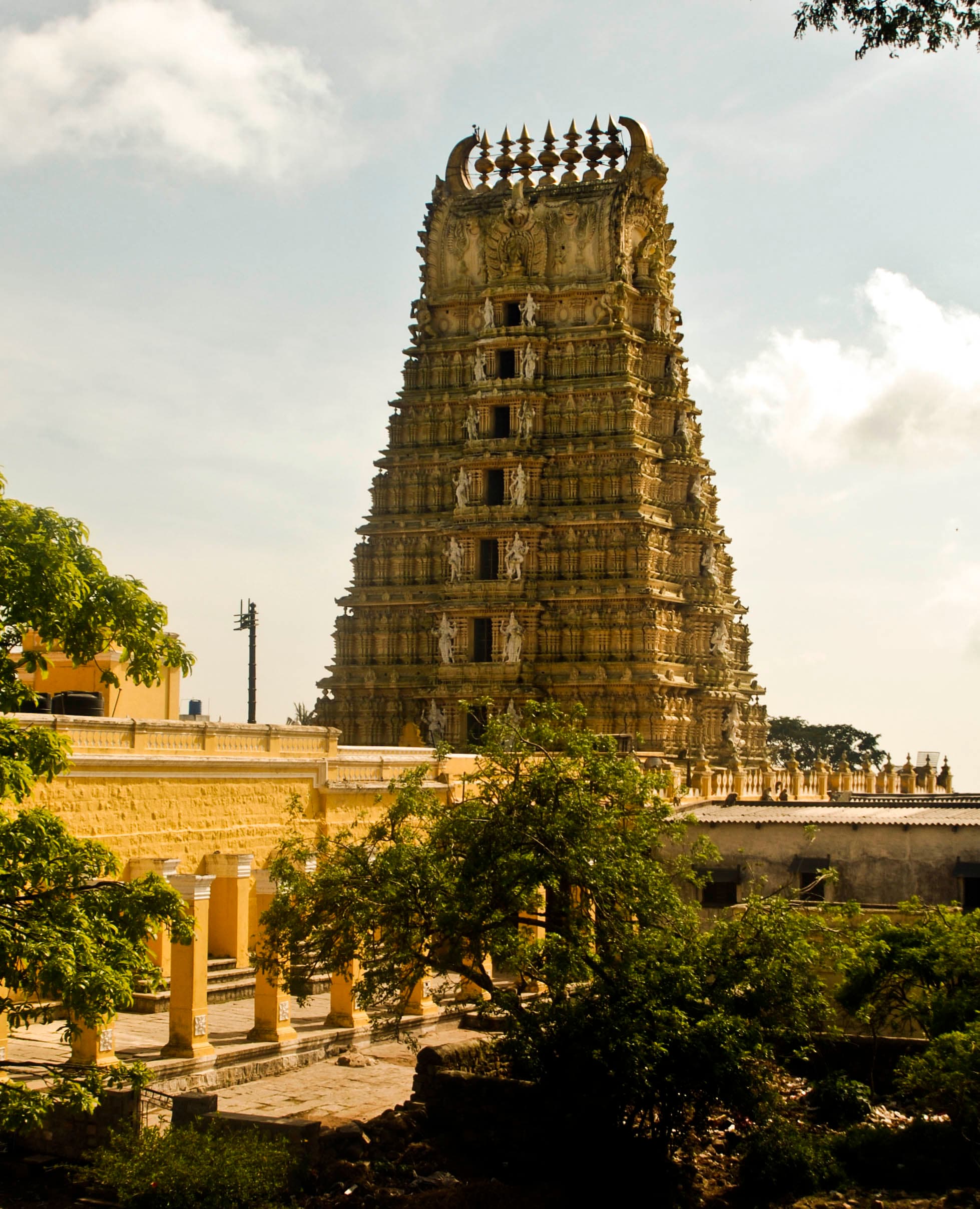
A hilltop Vishnu temple of great spiritual significance to the Sri Vaishnava tradition. Ramanujacharya spent many years here and installed the 'Sampige Narayana' deity. The annual Vairamudi festival, where Lord Cheluvanarayana is adorned with a diamond crown, draws lakhs of pilgrims.
Narasimha
A famous hilltop Narasimha temple on the rocky Devarayadurga hills, 60 km from Bangalore. The 'Bhoga Narasimha' (Lord Narasimha in a benevolent resting posture) and 'Yoga Narasimha' (meditative posture) shrines are on twin hills. The scenic hilltop location with huge boulders and forest is breathtaking.
Lakshmi
A 12th-century CE Hoysala masterpiece — considered one of the finest examples of Hoysala art after Belur and Halebid. Built by Buci, a minister of King Vishnuvardhana. Four shrines face the cardinal directions; the Channakeshava and Lakshmi Narayana shrines have exceptionally fine sculptures. A hidden gem of Karnataka heritage.
Subramanya
A major Murugan (Subrahmanya) temple 40 km from Bangalore, unique for its association with serpent worship (Sarpa Samskara) — second only to Kukke Subramanya in Karnataka for this ritual. The deity here is flanked by two serpents (Vasuki and Adisesha). Extremely popular with Bangalore devotees seeking relief from Sarpa Dosha.
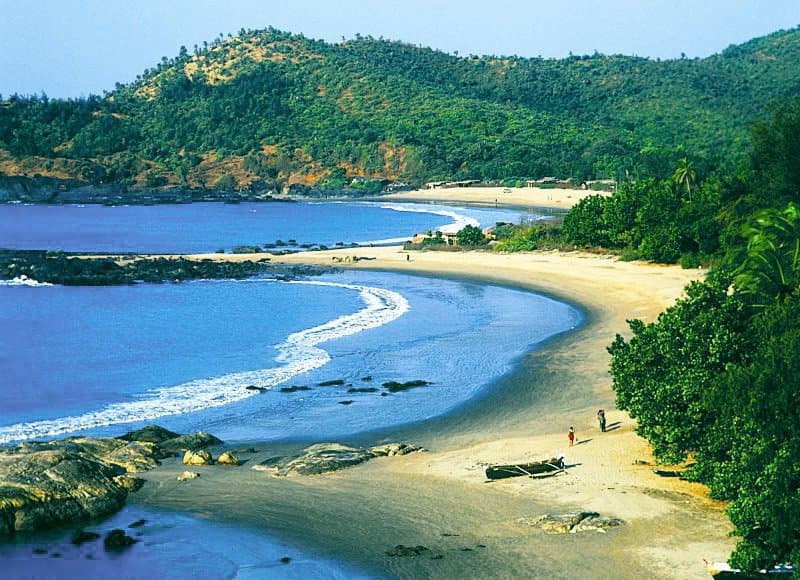
One of the seven Mukti Kshetras of India (sacred liberation sites), dedicated to Lord Mahabaleshwara (Great Shiva). The Atmalinga (Shiva's soul-lingam brought by Ravana) is the most sacred object here — Ganesha tricked Ravana into placing it here permanently. A major pilgrimage centre where devotees take a ritual bath in the sea before worshipping.
A major Lakshmi temple 90 km from Bangalore, extremely popular with devotees from across Karnataka. The golden idol of Goddess Mahalakshmi is believed to grant wishes related to wealth, marriage, and fertility. Receives 1-2 lakh pilgrims on Fridays and major festival days.
Annapoorneshwari
A powerful Shakti temple deep in the Western Ghats, dedicated to Goddess Annapoorneshwari (the provider of food). Located at the confluence of two rivers, the temple feeds all pilgrims free of charge (annadana). The setting amid the mist-covered Western Ghats is breathtaking. Very famous in coastal Karnataka and Kerala.
The largest Hoysala temple, dedicated to Lord Shiva as Hoysaleshwara and Shanthhaleshwara. The entire outer wall is covered with an extraordinary 240-metre frieze of animals, mythological scenes, and intricate carvings. A UNESCO World Heritage Site (2023) just 16 km from Belur.
Ganesha
One of the most famous Ganesha temples in Karnataka, located on the banks of the Salpakaadu island in the Coastal Karnataka belt. The swayambhu (self-manifested) Ganesha idol here is revered as one of eight sacred Ganesha shrines (Ashta Vinayaka) in Karnataka. Pilgrims combine this with Gokarna visits.
Krishna
One of the largest ISKCON temples in the world, built on a 7.5-acre hill in Bangalore. The magnificent marble complex houses Sri Radha Krishna, Sri Nitai Gauranga, and Sri Krishna Balarama. A spiritual and cultural centre drawing 10,000+ visitors daily. The Janmashtami celebration here draws 5 lakh people in a single night.
One of the oldest temples in Mangalore (9th century CE), built by the Alupa dynasty. Houses the largest bronze idol of Lokeshwara (Avalokitesvara) in India — a 5-foot Buddhist bronze from the 10th century CE, indicating the temple's Buddhist origins. The Nath Panth tradition of tantra yoga has its roots here.
Chamundeshwari
A highly revered Shakti shrine on an island formed by the Nandini river in coastal Karnataka, dedicated to Goddess Durgaparameshwari, who legend says appeared here to the sage Parashurama. Its annual Deepotsava festival and traditional yakshagana performances make it one of the most visited temples on the Karnataka coast.
The birthplace of Basavanna (1131–1196 CE) — the great saint-philosopher who founded the Lingayat tradition and campaigned against caste discrimination. Located at the confluence of the Krishna and Malaprabha rivers. The Basavanna samadhi (shrine) here is the most sacred site for 10 million Lingayat devotees worldwide.
One of the most important temples in Mangalore, built by social reformer Narayana Guru in 1912 to provide a temple for all castes. Lord Gokarnanatha (a form of Shiva as Lord of Gokarna) is the presiding deity. The nine-day Navaratri festival here includes spectacular cultural events and draws 5 lakh visitors.
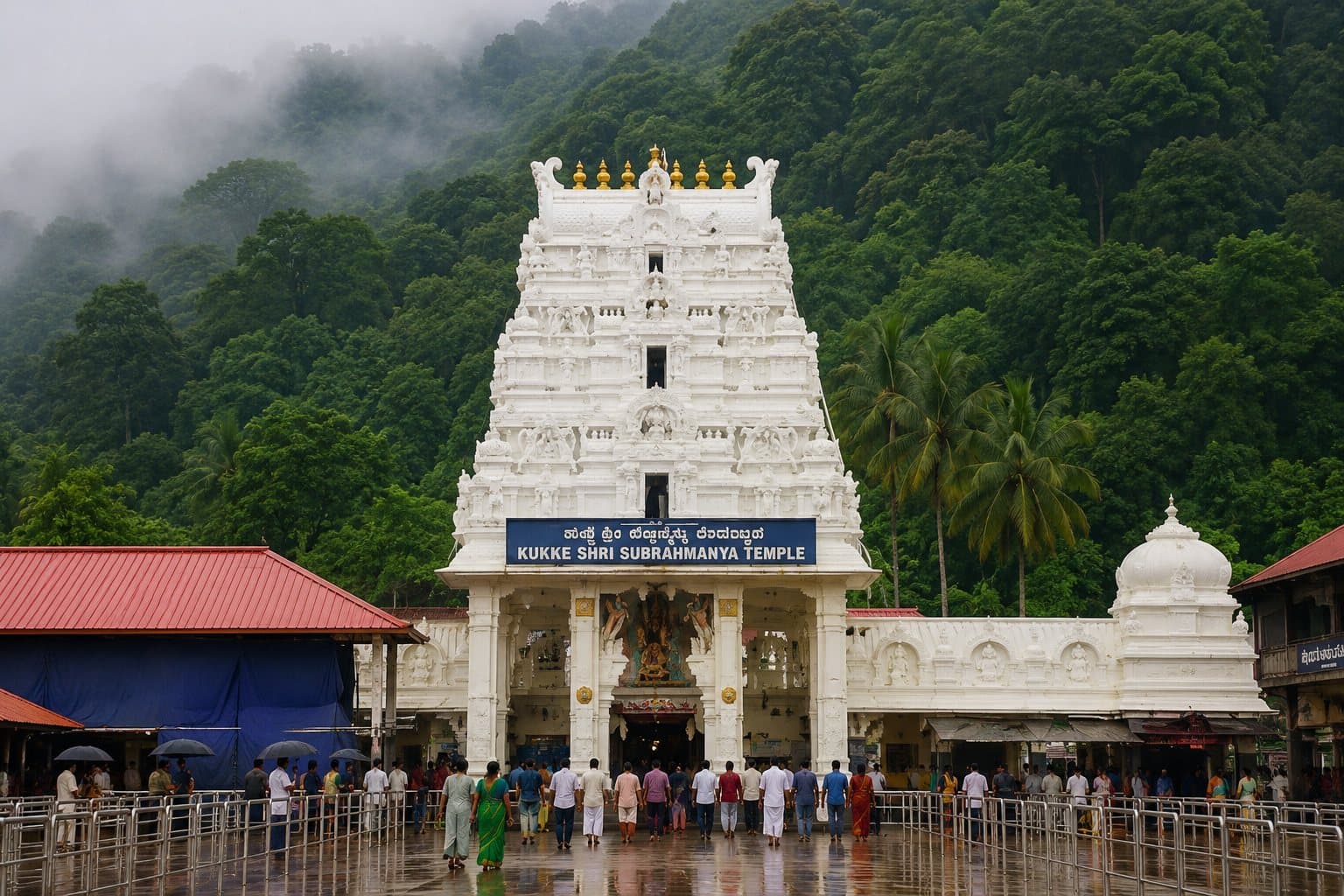
A temple dedicated to Lord Subramanya (Karthikeya) at the foothills of the Western Ghats in Karnataka, renowned for its serpent-worship rituals believed to ease ancestral and astrological doshas. Legend holds that Subramanya took refuge here after receiving amrita from Vasuki, the serpent king, making it one of India's most significant Naga pilgrimage sites.
One of Karnataka's most celebrated Devi temples, dedicated to Goddess Marikamba — the tutelary deity of Sirsi. The biennial Marikamba Jatre (held once every two years in January) is one of the largest temple festivals in Karnataka, drawing 20+ lakh pilgrims from across coastal Karnataka and Goa.
Mookambika
A major Devi temple in the Western Ghats of Karnataka, dedicated to Goddess Mookambika, worshipped as a combined embodiment of Saraswati, Lakshmi and Parvati. The sanctum houses a swayambhu (self-manifested) jyotirlinga beside the goddess's idol, and the temple is closely linked to the philosopher Adi Shankaracharya, believed to have consecrated it.
One of Karnataka's most powerful and visited Devi shrines in the Western Ghats. Goddess Mookambika (the silent goddess) is a combined form of Saraswathi, Lakshmi, and Parvati. Adi Shankaracharya installed the Sri Chakra here after defeating the demon Mookasura. Receives 20 lakh pilgrims annually.
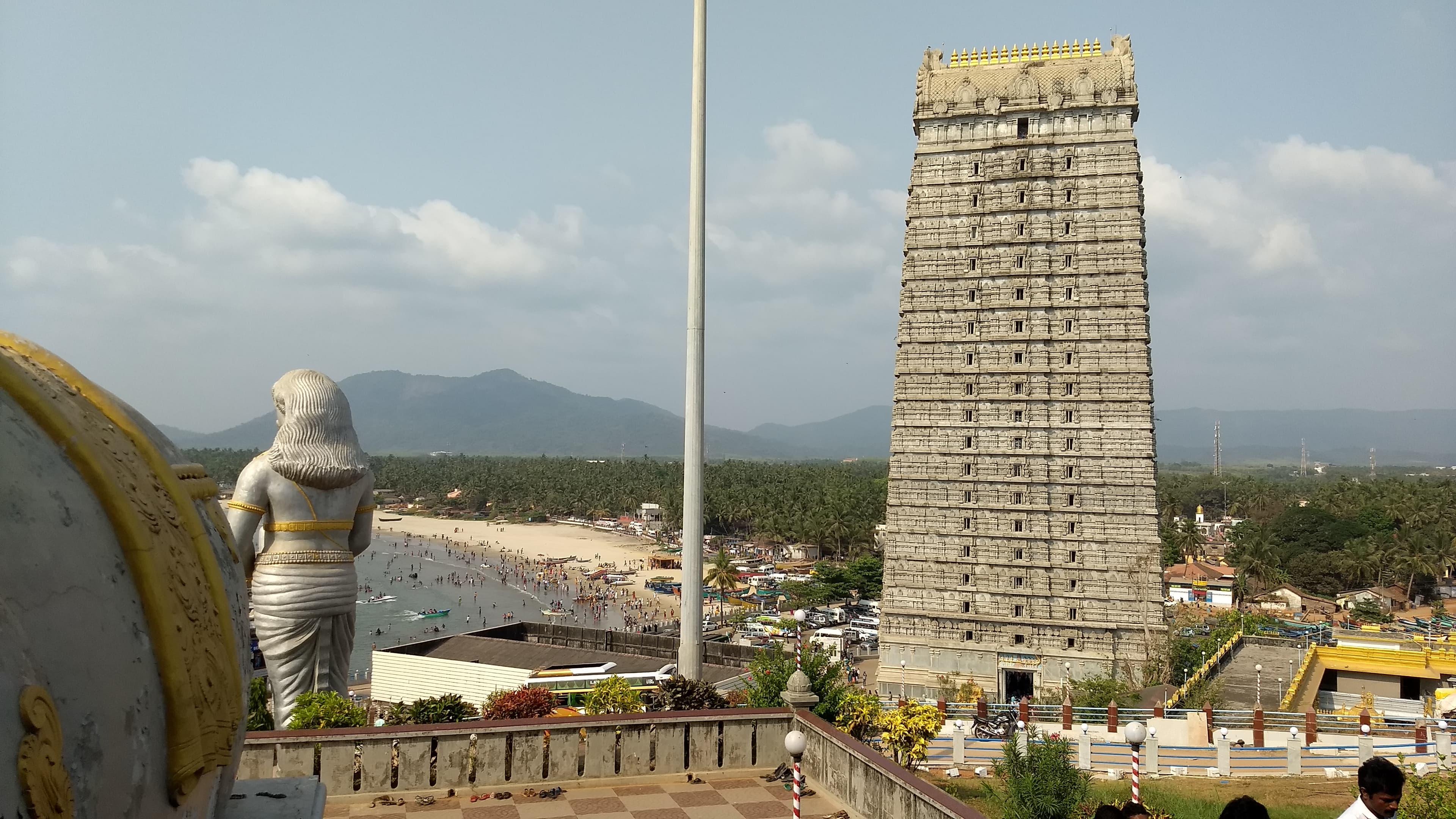
A coastal Shiva temple on the Arabian Sea in Karnataka, overlooked by one of the world's tallest Shiva statues, standing around 123 feet high. Its hilltop location on Kanduka Hill, surrounded by water on three sides, makes it one of the state's most photographed pilgrimage spots.
One of the most important Shiva temples in Karnataka, located on the banks of the Kabini river. Lord Srikanteshwara (Shiva with a blue throat) is the tutelary deity of the Mysuru region. Famous for the Nanjangud Banana (Nanjangud Rasabale), a GI-tagged rare variety of banana grown only near the temple.
A UNESCO World Heritage Site with 10 major temples representing the peak of Chalukya architectural achievement (7th–8th century CE). The Virupaksha Temple here (also called Lokeswara) was the model for the Kailasa Temple at Ellora. Pattadakal, Badami, and Aihole together form the 'Cradle of Hindu Architecture'.
A major Devi temple 18 km from Mangalore, dedicated to Goddess Rajarajeshwari (the supreme form of Devi who rules the cosmos). The temple's Navaratri festival draws 5 lakh devotees. Known for the unique tradition of 'Tuluva' rituals blending Hindu and local folk traditions.
One of Karnataka's most visited pilgrimage sites — dedicated to Goddess Renuka Yellamma (a fierce form of the mother goddess associated with the downtrodden). Attracts 10 lakh+ pilgrims during the annual Yellamma Jatre festival (January). The hilltop location and the deeply devotional atmosphere of this folk goddess temple is extraordinary.
Hanuman
Home to the 58-foot (17.7 m) monolithic statue of Lord Bahubali — the largest free-standing statue in the world at the time of its completion (981 CE). The statue is visible 30 km away. Every 12 years, the Mahamastakabhisheka (grand anointment ceremony) draws 1 million pilgrims who pour milk, honey, saffron, and gold coins over the statue.
A 500-year-old Shaiva Math (monastery) near Tumkur, associated with the late centenarian saint H.H. Sivakumara Swami (1907–2019) who ran a school, college, and free meals for thousands daily. The Math combines education, social service, and Shiva devotion. After the saint's samadhi here, it has become a major pilgrimage.
A famous goddess temple on a small island in the Sharavathi river backwaters — reachable only by boat. Goddess Chowdeshwari (a form of Durga) is enshrined here amidst the Western Ghats. The boat ride through the forested backwaters to the temple is a uniquely beautiful pilgrimage experience.
A locally revered Ganesha (Mahaganapathi) temple near Dharmasthala in the Tulu Nadu region of Dakshina Kannada. Pilgrims travelling to Dharmasthala, Kukke Subramanya, and Murudeshwara traditionally stop here to seek Ganesha's blessings — the remover of obstacles — before the main pilgrimage.
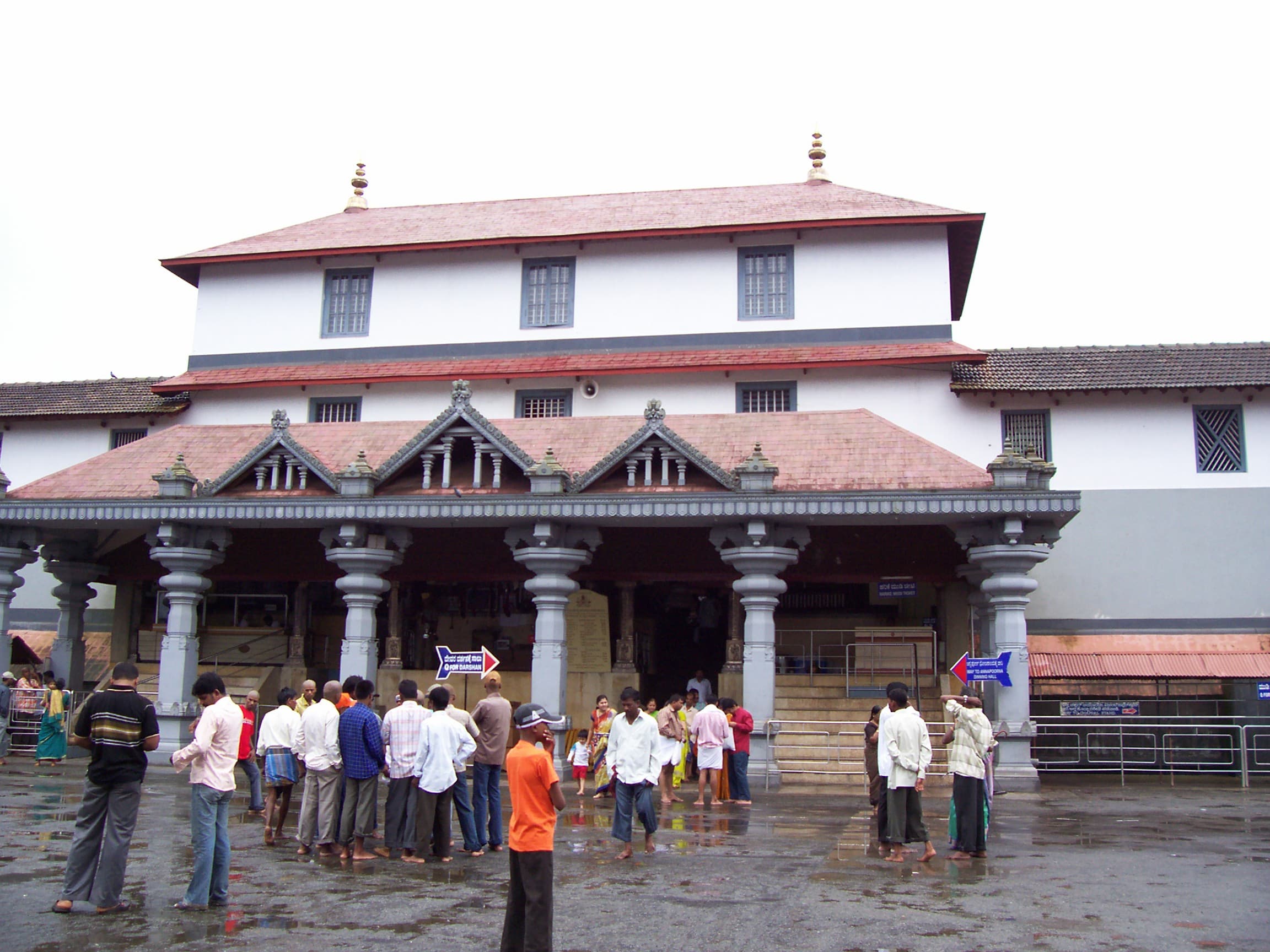
A unique Shaivite temple traditionally administered by a Vaishnava family, the Heggades, reflecting the region's long tradition of religious harmony. It is famed for its annadana service, feeding over 10,000 pilgrims daily, making it one of the most-visited temples in Karnataka.
A Vishnu temple on the historic island of Srirangapatna — the former capital of Hyder Ali and Tipu Sultan. Tipu Sultan, despite being Muslim, was a devotee of this temple and gifted it precious jewels. The site also has Tipu's summer palace and the place where he fell in battle (1799).
The first of the four sacred Mathas (monasteries) established by Adi Shankaracharya in 8th century CE, dedicated to Goddess Sharada (Saraswati). Located on the banks of the Tunga river, Sringeri is a deeply spiritual destination in the heart of the Western Ghats.
Five ancient Shiva temples (Panchalinga — Vaidyanatha, Pathaleshwara, Maruleshwara, Arkeshwara, Kirtinarayana) half-buried in sand dunes beside the Cauvery river — an extraordinary and eerie landscape. The famous Panchaling Darshana (viewing all five) once in 12 years during the Teerthavari festival draws 3 million pilgrims.
A celebrated Vaishnava temple dedicated to Lord Krishna, founded by the 13th-century philosopher-saint Madhvacharya, who is said to have installed an idol that arrived from Dwaraka by ship. Devotees view the deity only through a carved silver window (Kanakana Kindi), and the temple's kitchen — run by hereditary priests on a strict rotation — is credited with originating Udupi's famous vegetarian cuisine.
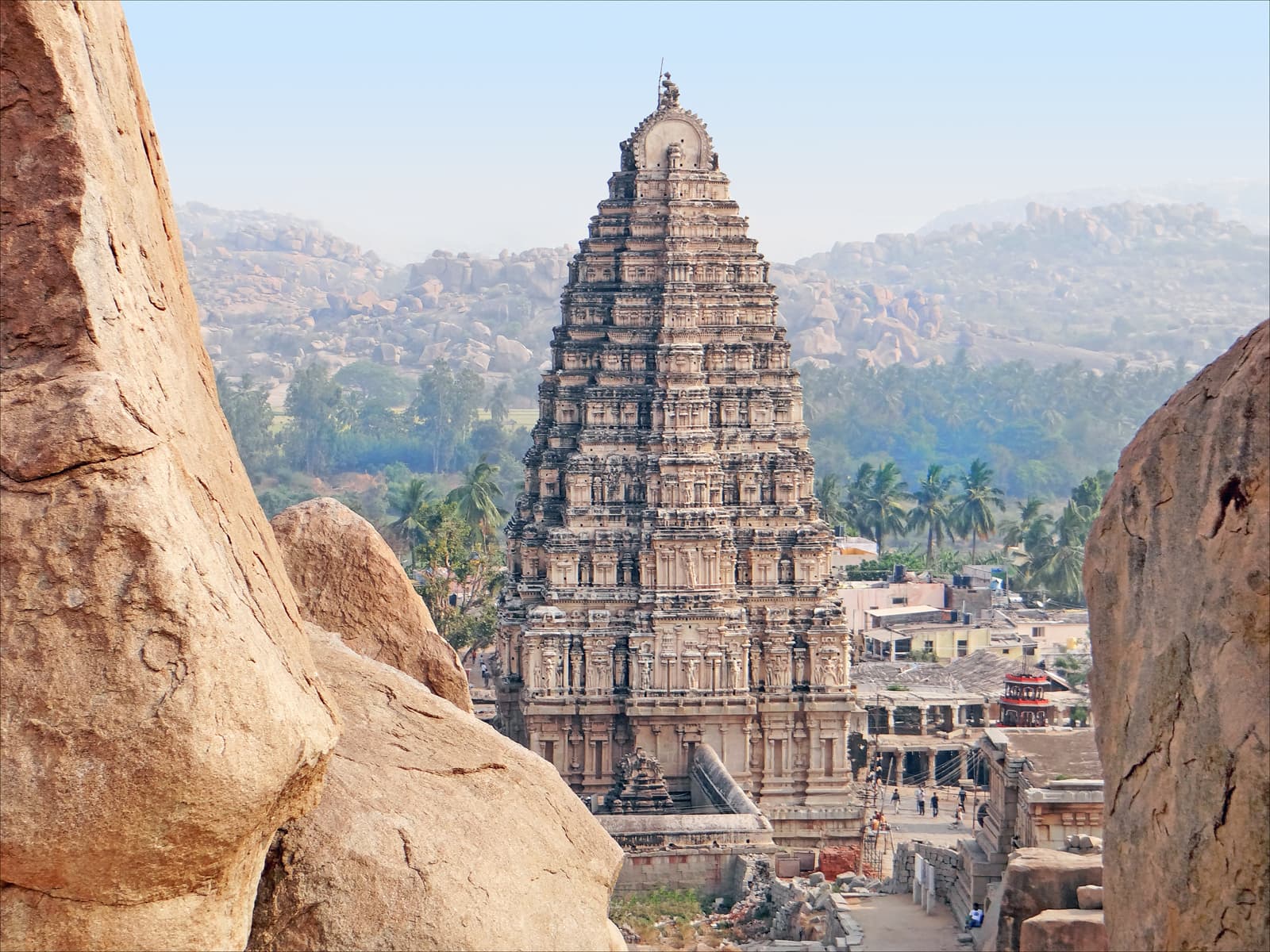
A UNESCO World Heritage Shiva temple at the heart of the Hampi ruins, the former capital of the Vijayanagara Empire, and one of the oldest continuously functioning temples in India. Its 50-metre gopuram dominates the ancient city's skyline, and a pinhole-camera effect — an inverted shadow of the tower cast inside a dark chamber — is a celebrated architectural curiosity.