By Deity
By State
20 temples across South India.
Bhagavathy
A major Bhagavathy temple on the banks of the Karamana river near Thiruvananthapuram, where the river water is believed to have healing properties. The annual Murajapam (a 7-day Vedic recitation) is a grand event. One of the important Devi temples for Thiruvananthapuram pilgrims along with Attukal.
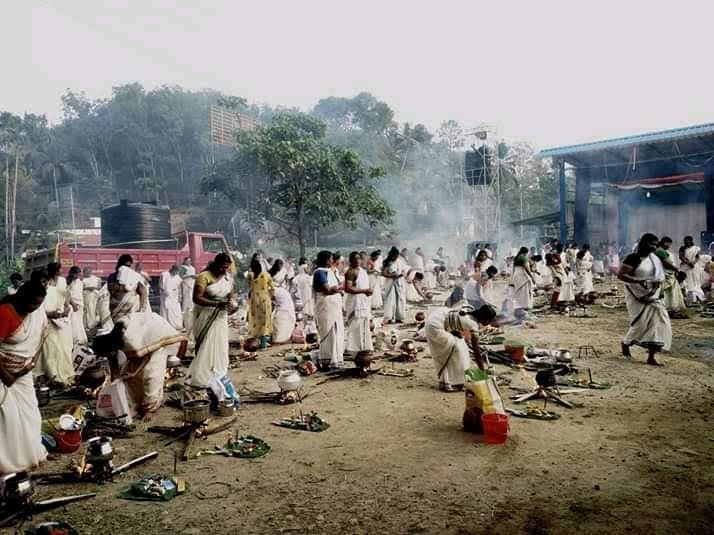
Home to the world's largest annual gathering of women — the Attukal Pongala festival holds the Guinness World Record with over 2.5 million women cooking pongal (rice pudding) on the streets simultaneously. Goddess Attukal Amma (Bhagavathy) is called the 'Sabarimala of Women'. One of Kerala's most powerful Devi temples.
Bhadrakali
One of the oldest Shakti temples in the Deccan, dedicated to the fierce Goddess Bhadrakali, believed to date to the 8th century CE under the Chalukya king Pulakeshin II. Its hilltop setting beside the scenic Bhadrakali lake adds to its standing as a major pilgrimage site in Telangana.
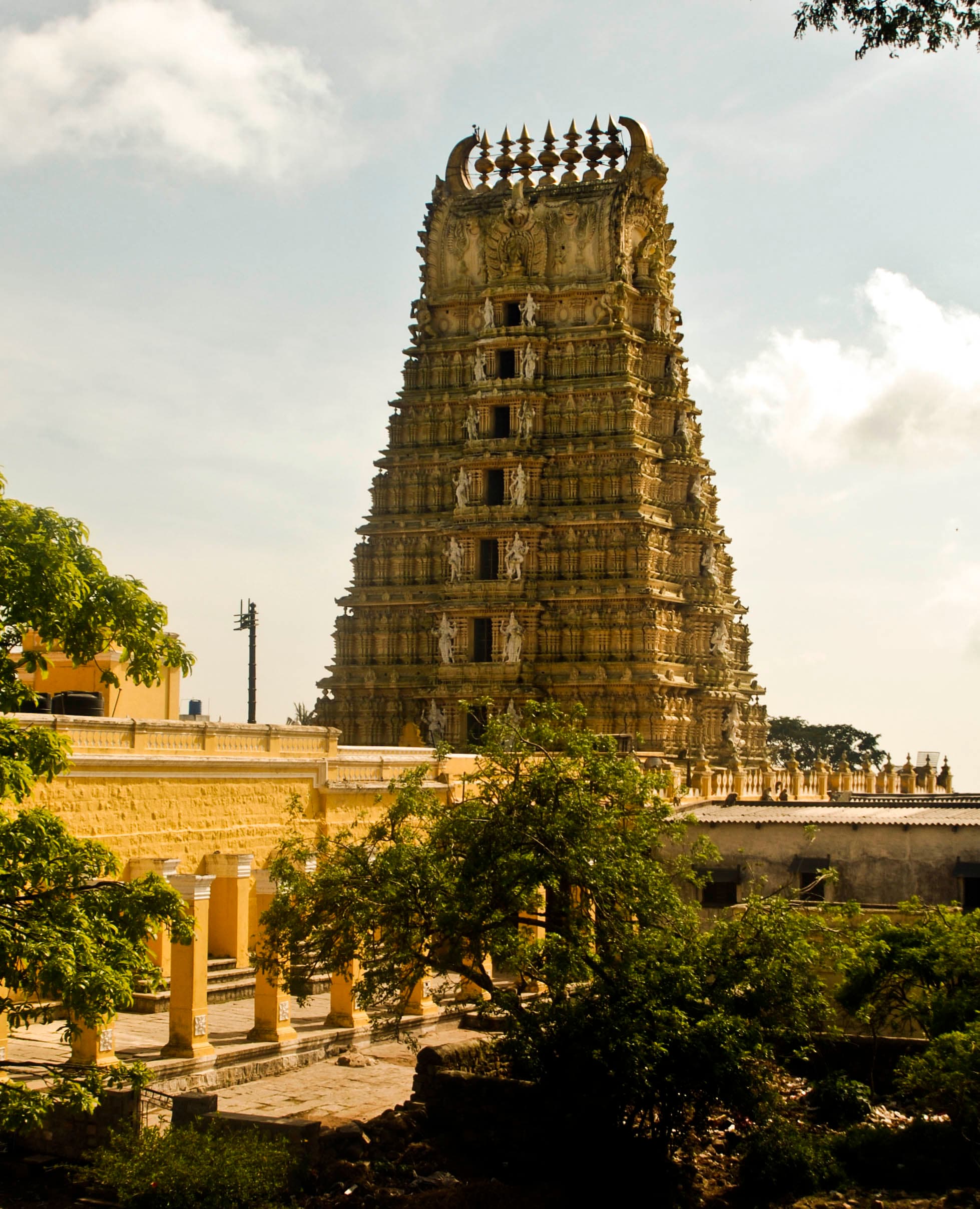
A hilltop shrine atop Chamundi Hills overlooking Mysuru, dedicated to Goddess Chamundeshwari, the fierce form of Durga said to have slain the buffalo-demon Mahishasura nearby. A giant statue of the demon stands near the temple, and the thousand-step stone stairway up the hill passes a monolithic Nandi bull carved from a single rock.
One of Kerala's most celebrated Devi temples, famous for the Kuthiyottam festival — where young boys pierce their bodies with small hooks and carry pots on their heads as offerings. The Vilakku Veppu (oil lamp festival) here is the largest lamp festival in Kerala. One of the foremost Bhagavathy temples in south Kerala.
A revered shrine of Goddess Bhagavathy near Kochi, worshipped across three sequential forms through the day — as Saraswati in the morning, Bhadrakali at noon, and Durga in the evening. The temple is also known for rituals believed to offer relief from mental distress, drawing devotees from across Kerala.
Famous for the Kadammanitta Padayani — a spectacular ancient ritual art form where huge colourful effigies of divine forms (kolam) are danced through the night. Listed among Kerala's unique intangible cultural heritage. The festival draws thousands who come specifically to witness the Padayani performances.
A famous Bhagavathy (Goddess Durga) temple in Malappuram district, where the Goddess is said to have appeared spontaneously (swayambhu) in a forest. The annual Kettukazhcha (decorated elephant procession) festival draws massive crowds. One of north Kerala's most revered Devi shrines.
Meenakshi
One of the three most sacred Shakti Peethas in South India (Kanchipuram, Madurai, Varanasi), dedicated to Goddess Kamakshi — Parvati in her benevolent form. Adi Shankaracharya installed the Sri Chakra here and is said to have attained liberation in this temple.
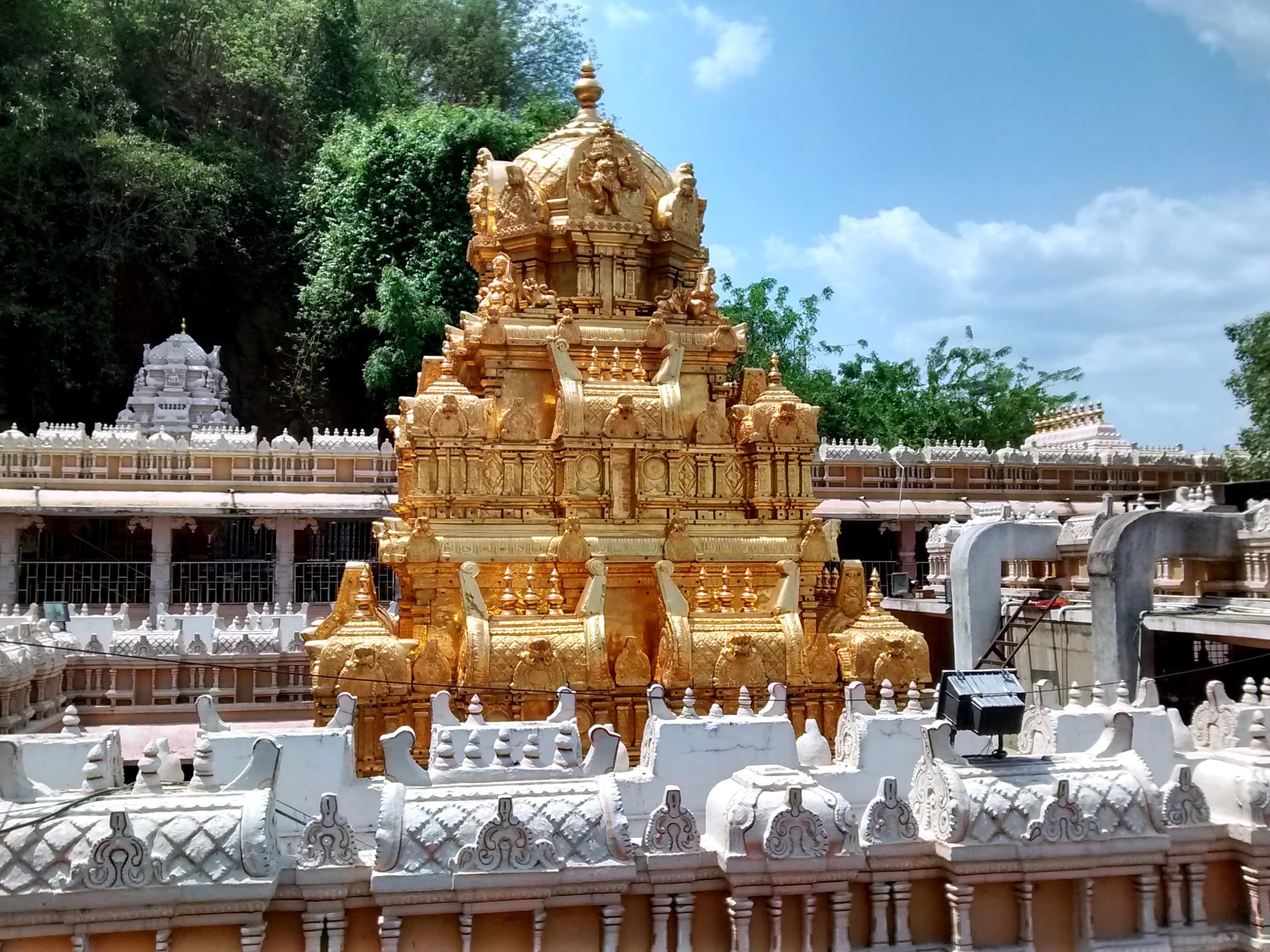
A hilltop shrine on Indrakeeladri hill overlooking the Krishna River in Vijayawada, dedicated to Goddess Durga in her Kanakadurga form. Legend holds that the sage Indrakeeladri performed penance here for the goddess to reside on the hill, and its annual Dasara festivities draw enormous crowds.
Chamundeshwari
A highly revered Shakti shrine on an island formed by the Nandini river in coastal Karnataka, dedicated to Goddess Durgaparameshwari, who legend says appeared here to the sage Parashurama. Its annual Deepotsava festival and traditional yakshagana performances make it one of the most visited temples on the Karnataka coast.
One of Kerala's most ancient and powerful Shakti temples, dedicated to Goddess Bhadrakali in her most fearsome form. Famous for the unique Bharani festival — where devotees sing crude folk songs (Bharanippatu) to provoke the Goddess's anger and power. Considered one of the original 18 Shakti shrines of Kerala.
One of the most important Bhagavathy temples in the Malabar region, dedicated to Lokanarkavu Amma — a fierce form of the Goddess who protects the 'entire world' (loka = world, narkavu = sacred grove). The temple's Thottam (ritual recitation of the Goddess's legend) tradition and the ancient Kalari association make it culturally unique.
An ancient Bhagavathy temple on a forested hilltop (kavu = sacred grove) in coastal Kannur, associated with the Theyyam tradition of north Kerala. The Goddess here is believed to protect all sea-going fisherfolk and traders. The annual Theyyam performances at this temple preserve one of Kerala's oldest ritual art traditions.
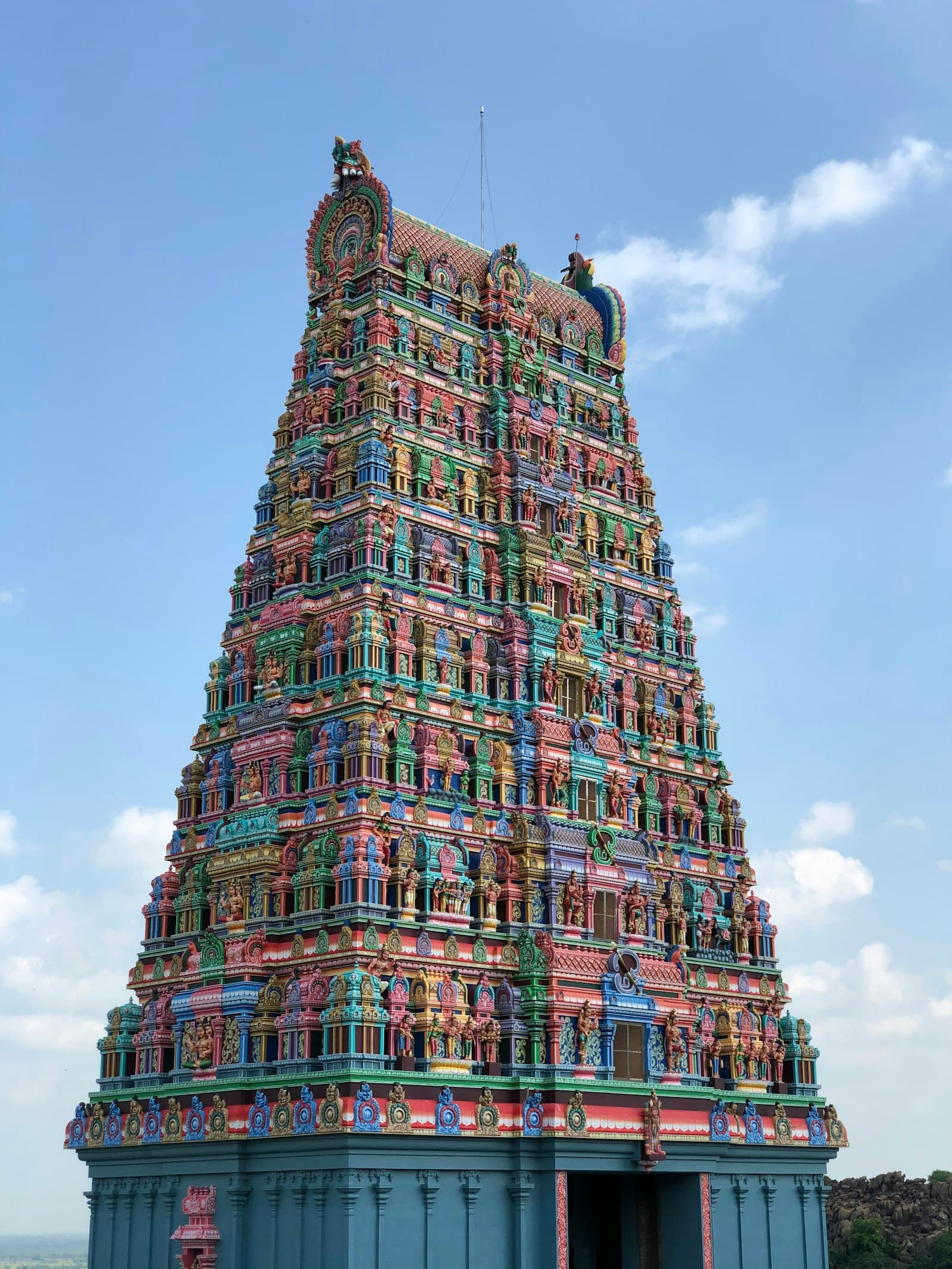
A historic temple dedicated to Goddess Meenakshi, the fish-eyed form of Parvati, and her consort Sundareswarar, famed for its towering gopurams covered in thousands of painted deities. Its Hall of a Thousand Pillars and nightly ritual carrying Sundareswarar's image to Meenakshi's shrine draw millions of pilgrims each year.
Mookambika
A major Devi temple in the Western Ghats of Karnataka, dedicated to Goddess Mookambika, worshipped as a combined embodiment of Saraswati, Lakshmi and Parvati. The sanctum houses a swayambhu (self-manifested) jyotirlinga beside the goddess's idol, and the temple is closely linked to the philosopher Adi Shankaracharya, believed to have consecrated it.
One of the two principal temples of the world-famous Thrissur Pooram festival. Goddess Paramekkavu is brought out in procession on 30+ caparisoned elephants on Pooram day (Thrissur Pooram). The 'Kudamattam' (umbrella exchange between the two Pooram groups) is one of the most photographed events in Kerala's culture.
One of Tamil Nadu's most visited temples, dedicated to Goddess Mariamman and located 13 km from Trichy on the Trichy–Srirangam pilgrimage circuit. It draws over a million pilgrims a year, many seeking the goddess's protection from disease and the fulfilment of personal vows.
The first of the four sacred Mathas (monasteries) established by Adi Shankaracharya in 8th century CE, dedicated to Goddess Sharada (Saraswati). Located on the banks of the Tunga river, Sringeri is a deeply spiritual destination in the heart of the Western Ghats.
Devi
A revered Shakti Peetha shrine of the Divine Mother, set in a cave high in the Trikuta Hills of Jammu and reached by a roughly 13-km trek from Katra. Its sanctum holds three natural rock formations (pindis) representing Maha Kali, Maha Lakshmi and Maha Saraswati, and it is among the most-visited pilgrimage sites in India, drawing millions of devotees a year.