By Deity
By State
15 temples across South India.
Subramanya
A famous Murugan (Subrahmanya) temple 20 km from Tirupati where the deity is worshipped as Appalanna Swamy. Especially popular with devotees seeking blessings for serpent-related issues (Sarpa Dosha). Part of the Tirupati temple circuit.
A major Murugan (Subrahmanya) temple 40 km from Bangalore, unique for its association with serpent worship (Sarpa Samskara) — second only to Kukke Subramanya in Karnataka for this ritual. The deity here is flanked by two serpents (Vasuki and Adisesha). Extremely popular with Bangalore devotees seeking relief from Sarpa Dosha.
One of the most important Murugan (Subrahmanya) temples in Kerala, known for its annual boat procession (Vallom). The temple's unique tradition involves a Brahmin elephant that refuses to eat non-vegetarian food — verified and documented. Thousands of devotees from across Kerala attend the annual festival.
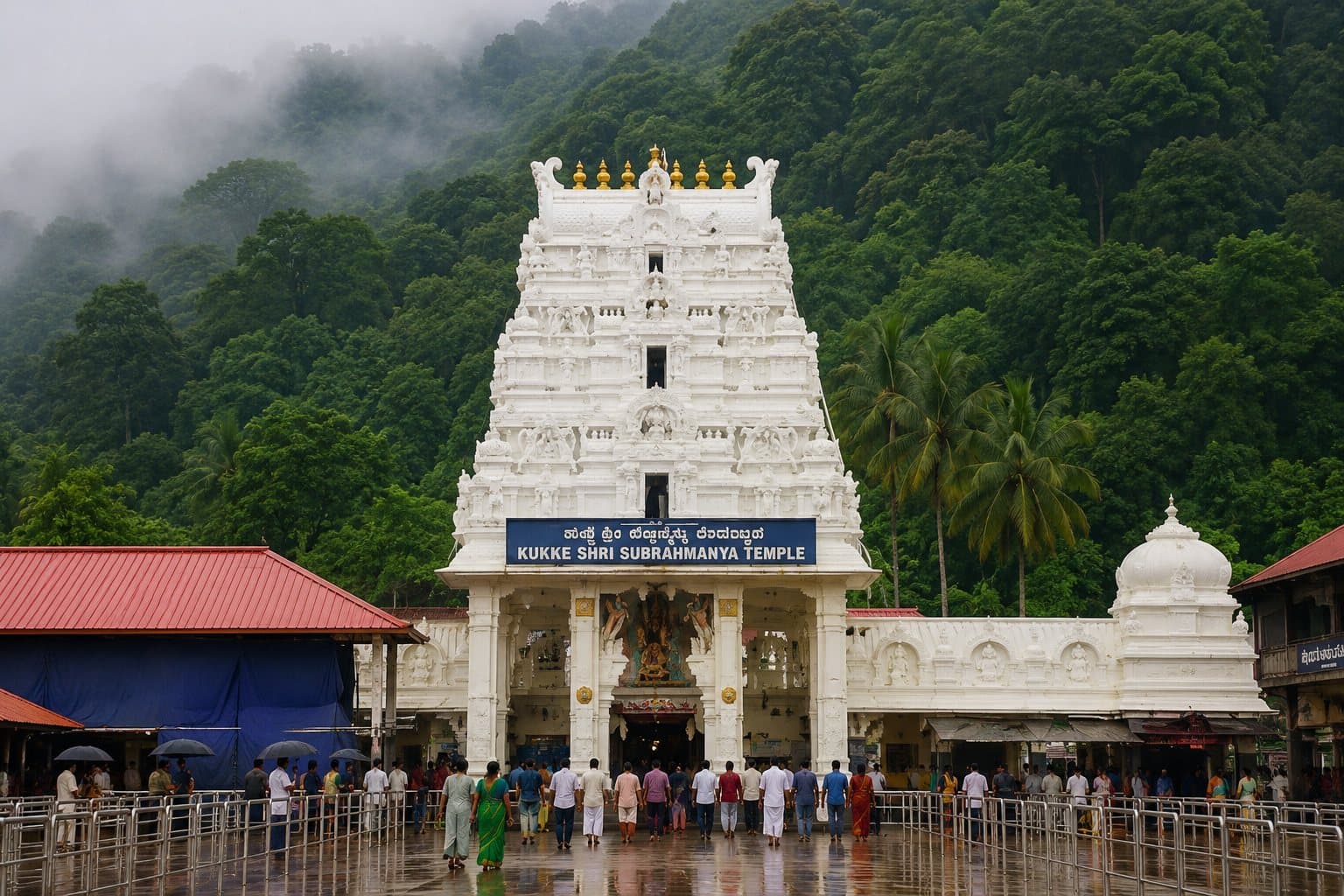
A temple dedicated to Lord Subramanya (Karthikeya) at the foothills of the Western Ghats in Karnataka, renowned for its serpent-worship rituals believed to ease ancestral and astrological doshas. Legend holds that Subramanya took refuge here after receiving amrita from Vasuki, the serpent king, making it one of India's most significant Naga pilgrimage sites.
A popular Murugan temple on the Marudamalai hill near Coimbatore, surrounded by medicinal herb forests (marudam = medicinal herbs, malai = hill). Lord Subrahmanya is enshrined in a cave and the forested hill location gives the temple a naturally serene atmosphere. Receives 50,000+ pilgrims on Skanda Sashti.
One of the six sacred Murugan (Subrahmanya) temples in Andhra Pradesh, where the deity stands on a peacock in battle posture. Famous for the Skanda Sashti festival. Located near the Krishna river delta region.
The third Arupadaiveedu and the most visited Murugan temple in South India — a hilltop shrine in Palani where Murugan holds a staff (danda) as an ascetic. Famous for Panchamritam prasad and the kavadi festival. Receives 30,000+ pilgrims daily.
The sixth Arupadaiveedu — a forest shrine of Lord Murugan on the Alagar Hills, 24 km from Madurai. Unique for its lush forest setting; the deity is approached by a winding jungle path. Easily combined with a Madurai temple visit.
A major Murugan (Subrahmanya) temple in Kannur district, one of the foremost Murugan shrines in north Kerala. The annual Thaipooya Mahotsavam and the Kavadi festival here draw pilgrims from across Malabar. The temple's Theyyam traditions blend with regular Agamic worship in a uniquely Kerala style.
The fourth Arupadaiveedu, where Murugan taught the Pranava Mantra (Om) to his own father Shiva. The deity here is Swaminatha — Murugan as the teacher of his parent. Located near Kumbakonam, easily combined with the Navagraha temple circuit.
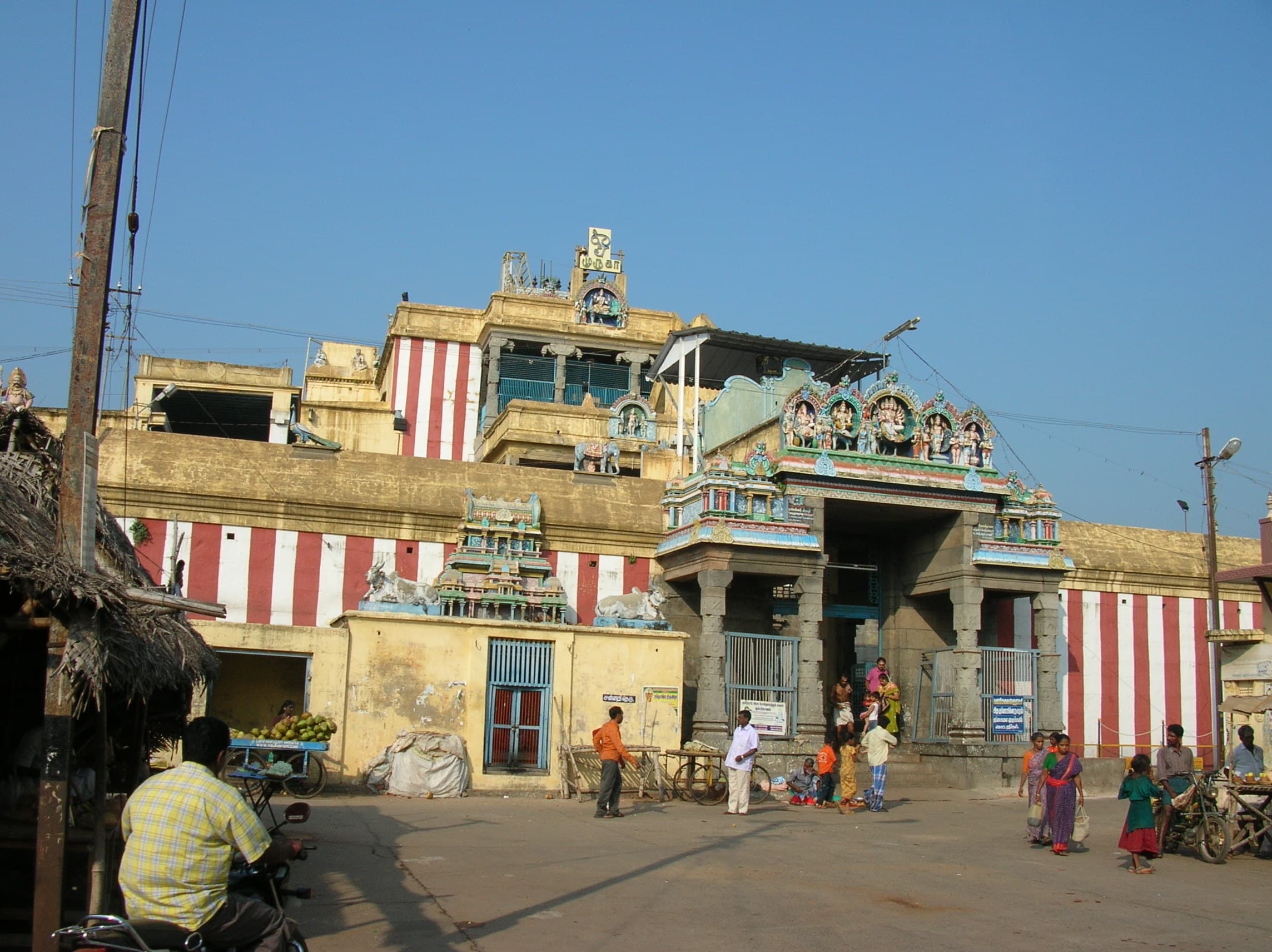
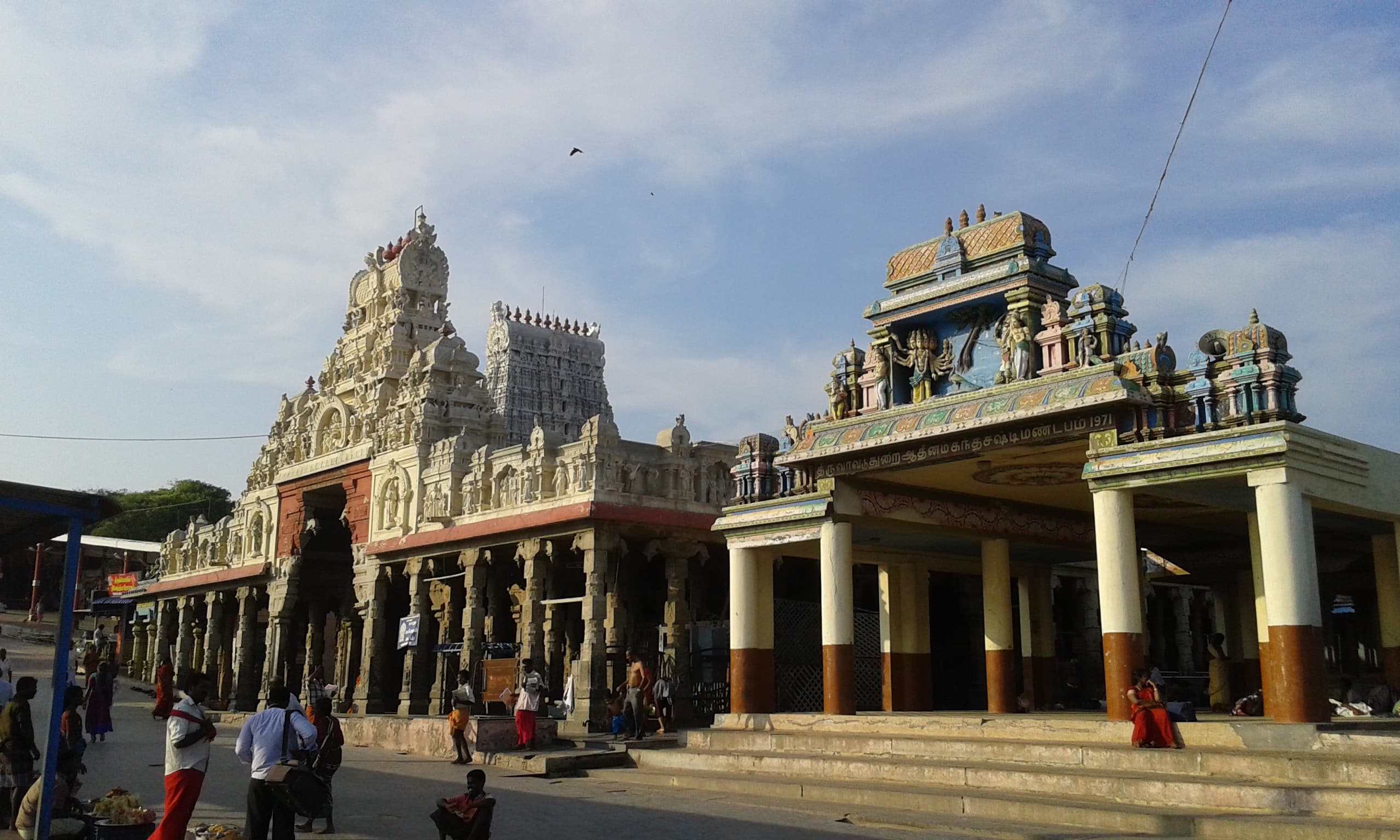
The second Arupadaiveedu — a seaside Murugan temple where the deity defeated the demon Soorapadman. The temple stands directly on the Bay of Bengal shore, making it one of the most dramatic temple settings in South India.
The first of the six Arupadaiveedu, sacred abodes of Lord Murugan, carved into a rock hill 8 km from Madurai and dating back over a thousand years. It commemorates Murugan's marriage to Deivayanai after his victory over the demon Surapadman, and is among the oldest rock-cut cave temples in Tamil Nadu.
The first of the six Arupadaiveedu (abodes of Lord Murugan), carved into a rock hill 8 km from Madurai. Murugan is said to have married Devasena (Devayanai) here after the war with Soorapadman. The cave temple dates from the Pandya period.
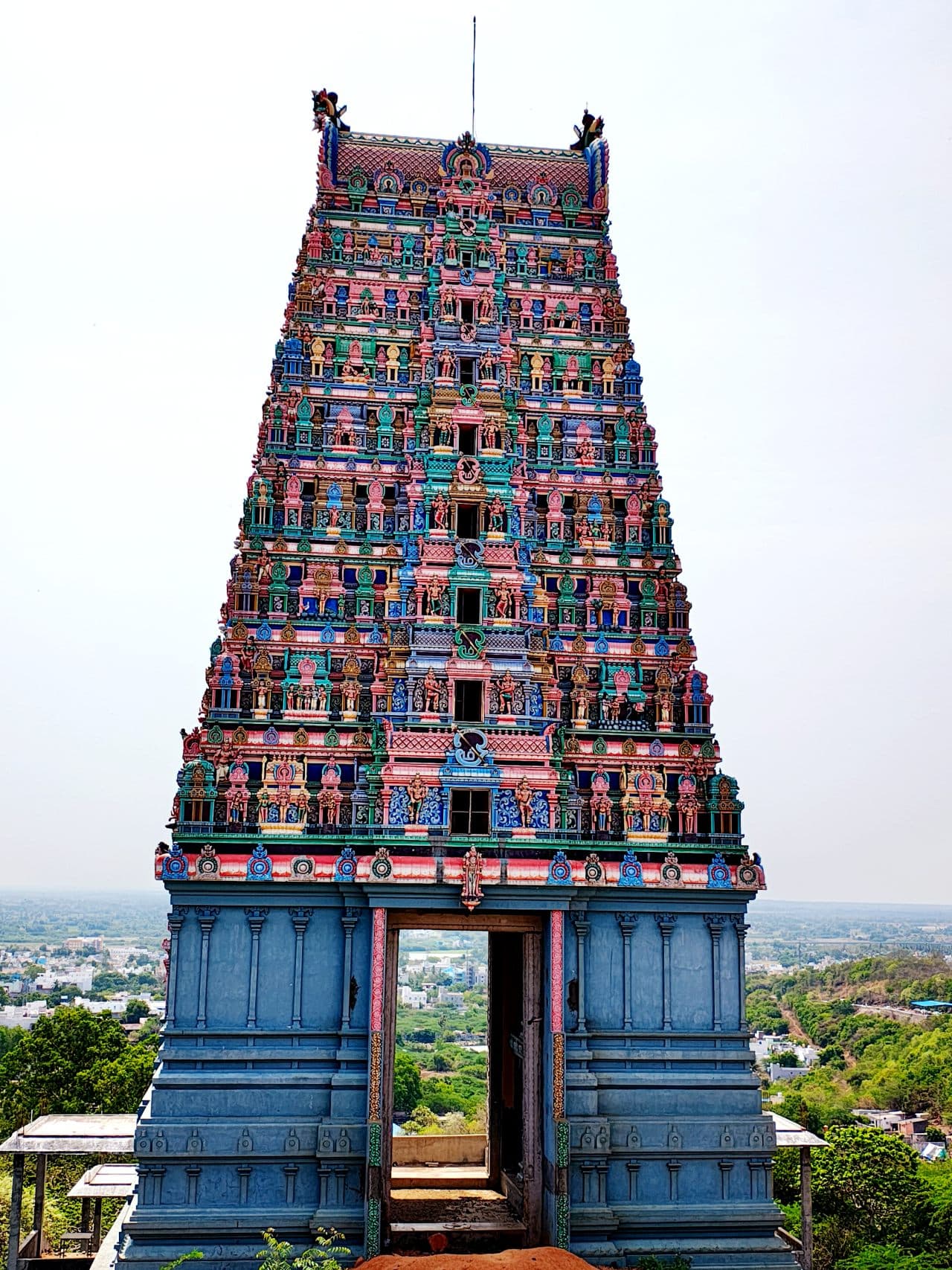
The fifth of the six sacred Arupadaiveedu (abodes) of Lord Murugan, atop a small hill 84 km from Chennai. Murugan is said to have married Valli here after defeating the demon Soorapadman.
One of the most visited Murugan temples in Chennai, built in the 19th century. Lord Murugan (Andavar) is especially revered by the Tamil film industry — actors, directors, and crew visit here before major releases. Receives 50,000+ pilgrims on Skanda Sashti and Kanda Shashti days.